
Why I Decided to Live in a Van Full-Time
Why I decided to live in a van full-time wasn’t down to one spontaneous moment. Rising rental costs pushed me to explore other options. I then spent around three years researching vehicles, visiting campervan dealers, attending expos and test-driving vans before choosing the one I now call home.
And while vanlife might bring to mind road trips and beautiful ocean views, my reasons for considering it were much more practical: renting had become too expensive, and I wanted to explore an alternative that offered better value.
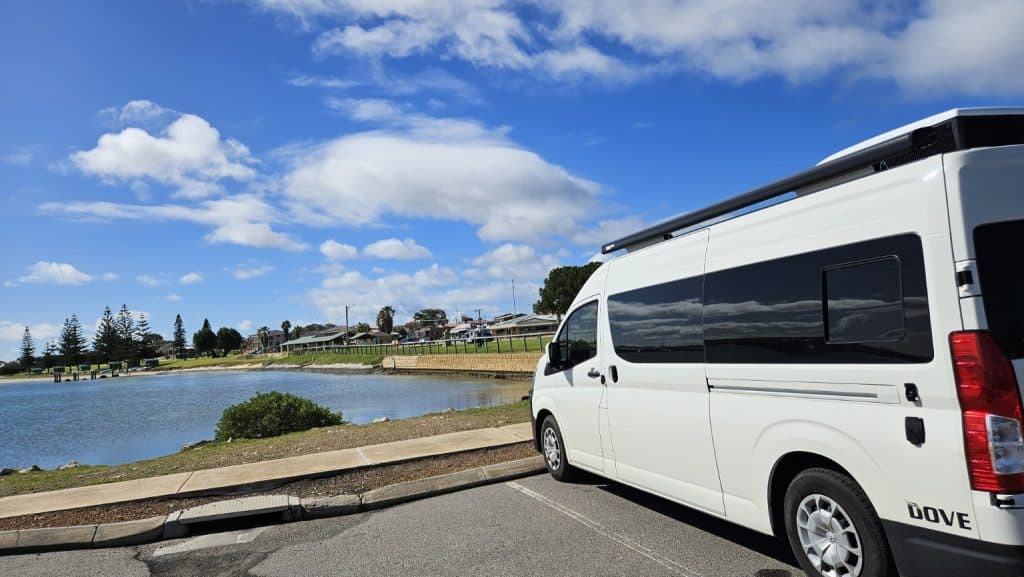
Why I decided to live in a van instead of renting
The rent where I was living went up by an amount I simply couldn’t justify. Finding a reasonably priced rental was difficult, and the market felt saturated with people looking for somewhere to live.
I stayed in hostels between searching for rentals. Even when properties became available, the asking prices often seemed excessive for what was on offer. I kept asking myself whether there was another way to have a comfortable home without committing to ever-increasing rent.
I wasn’t necessarily looking for an endless holiday. I wanted to explore something different—something that could be both practical and valuable over the long term.
It started with one question
Could I put the money I was spending on rent towards a living arrangement that made sense for me?
Three years of researching campervans
I didn’t rush into buying a van. For about three years I visited expos, checked out campervan dealerships, researched different models and test-drove a lot of vans.
I also looked seriously at second-hand campervans, but again and again I struggled to justify the prices. Some vans had very high kilometres yet were still being advertised for amounts that felt unreasonable.
I started thinking: if I was going to spend that much on an older van, why not look into buying new?
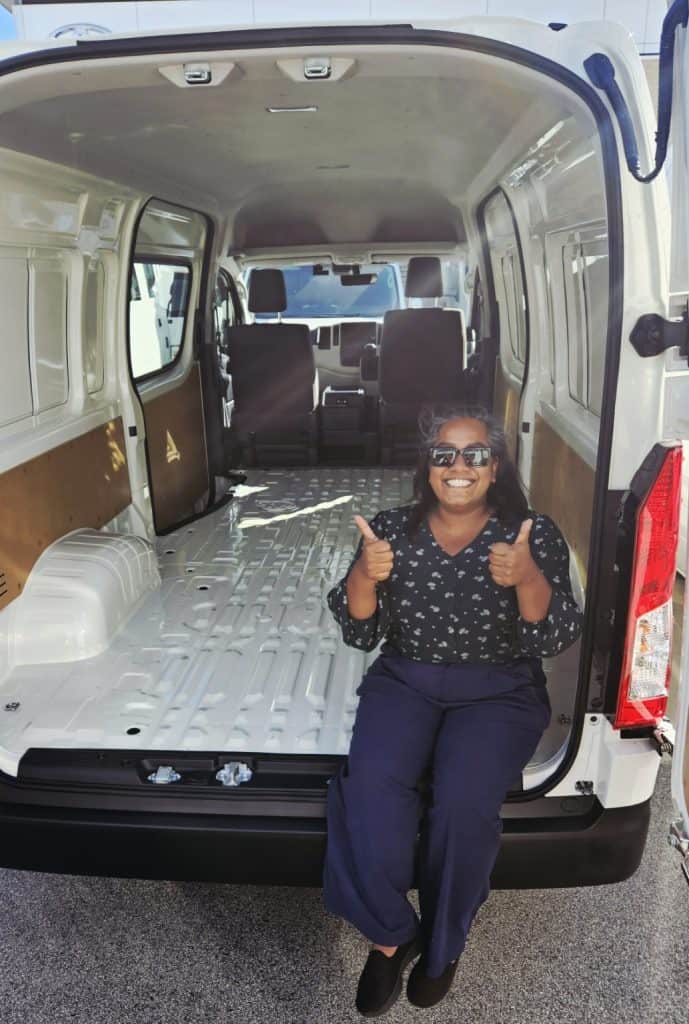
The unexpected Toyota dealership visit
After all that research, I randomly decided to visit my local Toyota dealership—and saw the van I’d been looking for: a Toyota Hiace Commuter with barn doors.
The interior height was a big attraction. I wanted to be able to stand up in the back without having to modify the roof, and I wanted a blank canvas for a fit-out that suited how I planned to live.
It felt like the right starting point. There was just one complication: I hadn’t budgeted for a brand-new van.
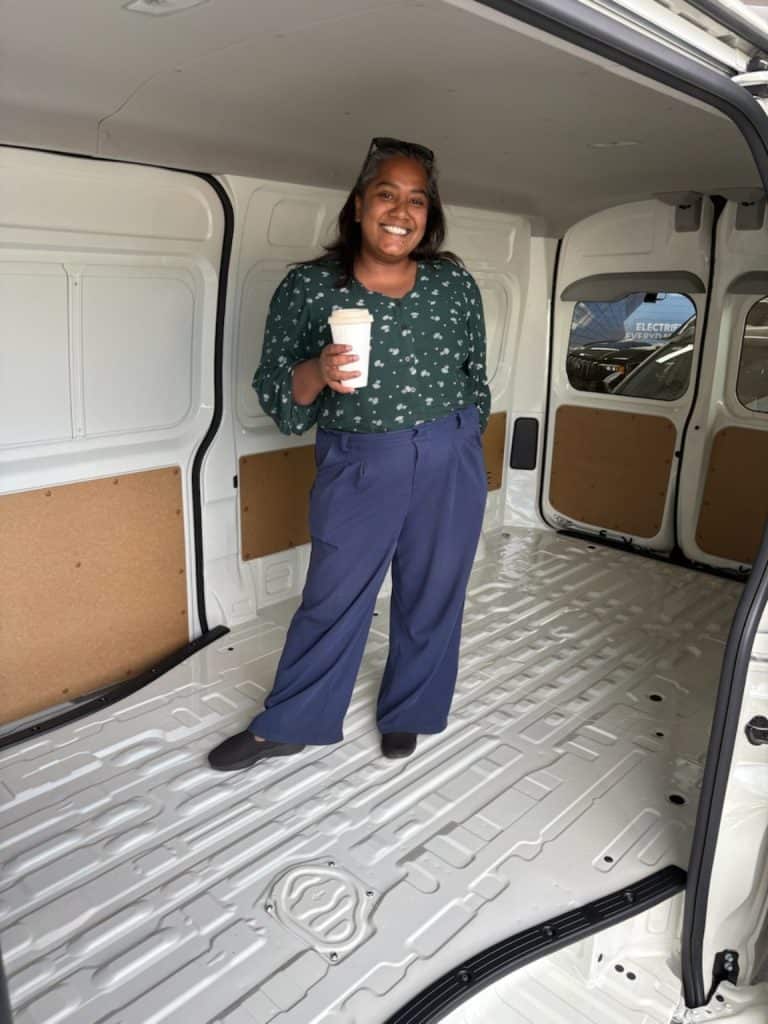
Why I chose to buy new
A new van wasn’t the cheapest option upfront, particularly when my original motivation was to find an alternative to expensive rent. But this wasn’t intended as a short-term experiment. I was making a long-term decision.
I knew I would rather build from scratch than spend a substantial amount on a second-hand conversion with high kilometres and a layout that might not suit me.
So I committed to purchasing the Toyota Hiace Commuter and planning a professional conversion.
How I financed the van and fit-out
I didn’t have the funds to pay for a new van and professional fit-out outright. I financed the vehicle purchase through Toyota Finance and took out a separate personal loan for the campervan conversion.
It was a significant financial commitment, and I wouldn’t describe it as a cheap way to get started in vanlife. Finance means repayments and interest, alongside costs such as insurance, registration, servicing and maintenance.
For me, it was about weighing those ongoing commitments against the long-term value of having a vehicle and living space I’d chosen for myself.
I wasn’t simply looking for the cheapest van. I was looking for the right van for the life I wanted to build.
Safety was my one non-negotiable
When it came to the layout, I really only had one firm requirement: I needed to be able to walk directly from the driver’s seat into the living area without stepping outside the van.
That access mattered to me for safety. I wanted to be able to move between the front and back of the vehicle while remaining inside, should I ever need to.
The rest of the design was something I was comfortable leaving to the professionals.
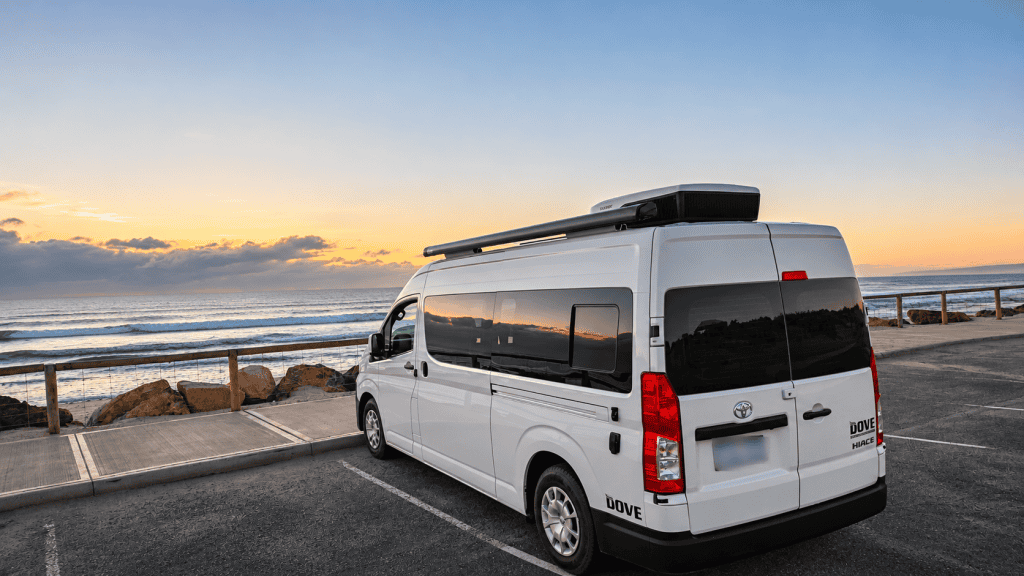
Working with Dove Campers
I chose Dove Campers to complete the fit-out. Starting with a new, empty van meant the conversion could be designed around the way I wanted to use the space, rather than trying to adapt somebody else’s setup.
My main priority was clear, and I was happy for Dove Campers to handle the rest of the fit-out.
Was vanlife actually going to be cheaper?
The honest answer is that buying a new van and paying for a professional conversion involved a substantial upfront investment. Full-time vanlife also brings ongoing costs. It isn’t automatically the cheapest lifestyle.
But the decision had evolved beyond simply finding the lowest possible monthly expense. I wanted a different way of living and a home that reflected what mattered to me: practicality, independence and long-term value.
What I’d tell someone considering vanlife
Take your time. Look at more than the purchase price, try different vehicles and think carefully about the way you’ll actually use the space. What works for someone else may not work for you.
Where my vanlife story begins
What started as frustration with an expensive rental market eventually led to years of research, a new Toyota Hiace Commuter and a custom fit-out.
This is the beginning of my vanlife story here at Simply Plastic Free. I’ll be sharing what I’ve learned about the practical side of campervan living, the choices I made along the way and the everyday realities of living differently.
Next up: a closer look at the van I chose and how the fit-out came together.